Why Domestic Cricket in India Is the Real Foundation of International Stars
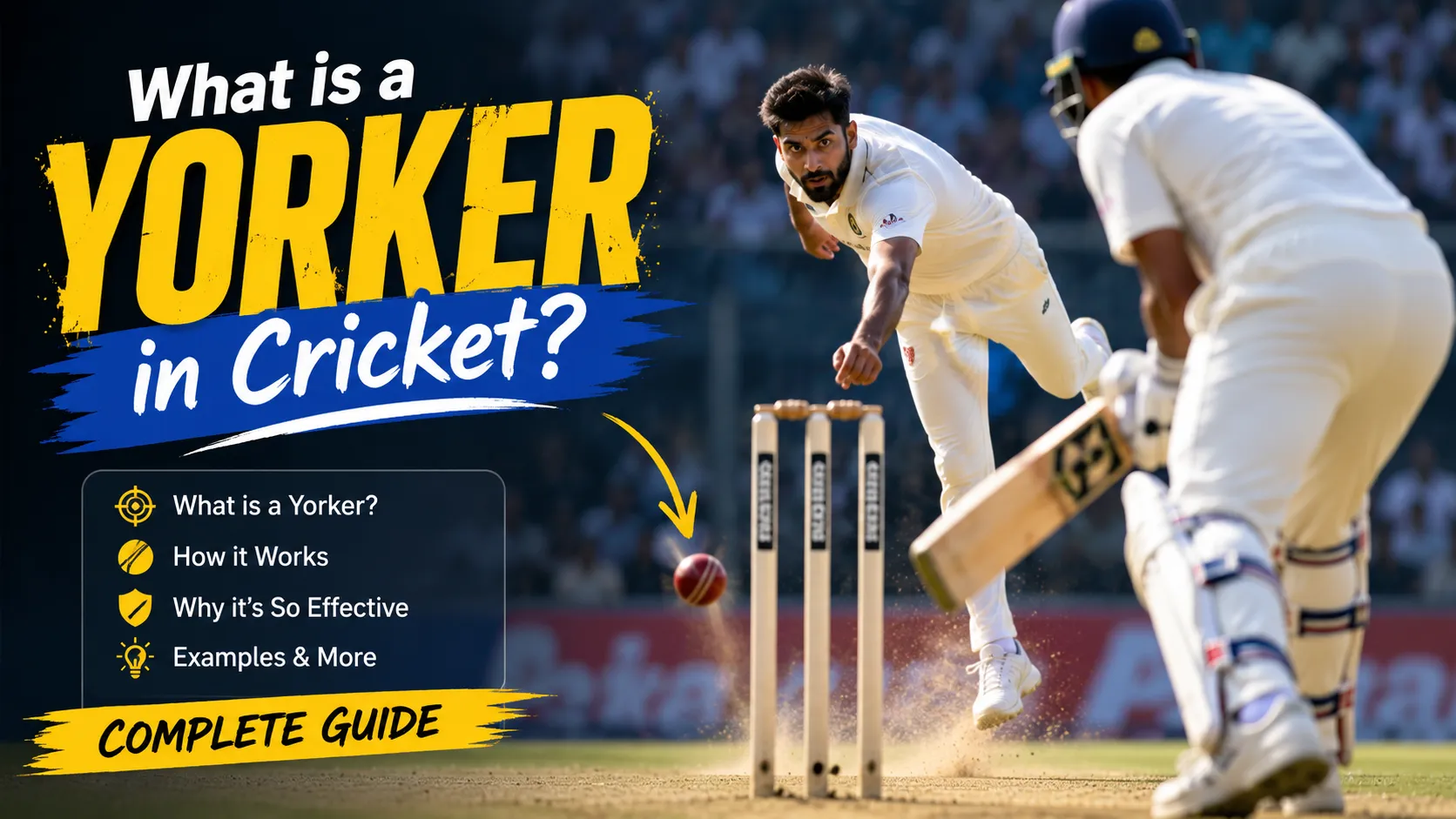
Every time we watch Virat Kohli drive through the covers at a packed stadium or Jasprit Bumrah deliver a yorker in the final over of a World Cup match, we are watching the finished product of years of grinding, learning, and proving themselves in matches most fans never watched and most headlines never covered.
Domestic cricket in India is the foundation on which every single international career in this country is built. It is not glamorous. It does not always fill stadiums. It does not always attract cameras. But without it, there is no Indian cricket team worth talking about — and understanding how the system works helps you appreciate exactly what you are watching every time India takes the field.
What Domestic Cricket in India Actually Consists Of
The BCCI runs one of the most comprehensive domestic cricket structures in the world. With 38 state-based teams competing across multiple formats throughout the year, the Indian domestic system provides competitive cricket at a level that few other countries can match in sheer volume and variety.
The tournaments that matter most to player development each serve a specific purpose within the overall system.
The Ranji Trophy is the cornerstone of Indian domestic cricket and has been since 1934. It is India's premier first-class competition — multi-day matches between state teams that test everything a cricketer has across extended periods of play. Batting for two days on a turning pitch in Chennai or bowling twenty overs in a day on a flat Mumbaitrack builds qualities that no shorter format can develop in the same way. For Test cricket selection specifically, the Ranji Trophy remains the most important domestic competition in the country. Consistent Ranji performers get noticed by national selectors. There is no substitute for it.
The Vijay Hazare Trophy is India's premier List A competition — the domestic equivalent of ODI cricket. It provides players with experience of building and chasing totals across fifty overs, developing the pacing and format-specific skills that international ODI cricket demands.
The Syed Mushtaq Ali Trophy is India's national T20 competition. It is the fastest route to IPL visibility for young players and the format most directly connected to T20 international selection. The competition recently added a Super League stage to improve quality and create higher-stakes cricket across more matches.
The Duleep Trophy and Irani Cup sit alongside these main competitions, providing additional first-class cricket that helps selectors evaluate emerging talent and gives senior players competitive match practice outside the main Ranji season.
What Players Actually Learn in Domestic Cricket
The value of domestic cricket is not simply about playing matches. It is about the specific type of learning that only sustained competitive cricket across different conditions can provide.
Pitches in Indian domestic cricket vary enormously from venue to venue and season to season. A player who spends three or four Ranji seasons batting on surfaces that turn sharply in their first year, play low and slow in another venue, and offer uneven bounce in a third has developed an adaptability that cannot be coached in nets. They have faced real problems in real matches and found solutions under genuine pressure with genuine consequences.
The bowling that players face in domestic cricket is not gentle either. Every bowler in the Ranji Trophy is trying to take wickets to earn recognition. A young batter who scores consistently against hungry domestic bowlers who are themselves trying to earn a national call-up has been tested in a way that prepares them for international cricket better than any amount of net practice.
Mental strength is built specifically through the grind of multi-day domestic cricket. Batting through a difficult session, then a difficult day, then finding form again on day two after a slow start — these experiences develop the concentration, resilience, and patience that Test cricket demands. They cannot be replicated in any format shorter than a first-class match.
The Players Who Prove Why Domestic Cricket Matters
The careers of almost every significant Indian international cricketer of the past thirty years demonstrate the same pattern — years in domestic cricket, consistent performance, gradual recognition, and then national selection built on a foundation that was already solid before the first cap arrived.
Sachin Tendulkar played for Mumbai in the Ranji Trophy from his earliest years. Rahul Dravid spent years in domestic cricket building the technical foundation that made him one of the greatest Test batters in history. Virat Kohli's performances for Delhi in domestic cricket announced him as a future India player before the IPL amplified his visibility. Rohit Sharma, Ravindra Jadeja, and Cheteshwar Pujara each built their international careers on domestic performances that established their credentials before national selection arrived.
Even Jasprit Bumrah, whose bowling action is unique enough that his development followed a somewhat different path, developed his overall understanding of the game and his adaptability across conditions through domestic cricket before becoming India's most important fast bowler across all formats.
The pattern is consistent because it reflects something real about what domestic cricket provides. International cricket does not have time to develop players. It selects players who are already developed and provides them with the highest level of competition. The development happens in domestic cricket, across years of playing, failing, learning, and improving.
The IPL's Role — And Its Limits
The Indian Premier League has transformed how young cricketers in India build profiles and gain recognition. Since its launch in 2008 it has provided a platform that accelerates visibility in ways the traditional domestic circuit cannot match. A young player who performs well in two or three IPL matches is seen by millions of viewers, watched by national selectors, and discussed by cricket analysts in a way that an equivalent performance in a Ranji Trophy match simply is not.
For T20 cricket specifically the IPL has become an extremely effective development pathway. Playing alongside and against international stars in high-pressure matches in front of massive crowds builds T20 specific skills and mental composure at a pace that the Syed Mushtaq Ali Trophy alone cannot produce.
But the IPL has limits that domestic multi-day cricket does not. Twenty overs of batting does not develop the concentration span, the defensive technique, or the ability to build a long innings that Test cricket demands. A player who has excelled in IPL cricket but spent little time in the Ranji Trophy will struggle when Test cricket requires them to bat for three hours on a difficult pitch against disciplined bowling. The foundation that multi-day domestic cricket provides cannot be substituted by IPL experience regardless of how valuable that IPL experience is in its own context.
The BCCI understands this distinction clearly. Their decision to make domestic cricket participation mandatory for national team players and central contract holders was a direct acknowledgment that the IPL, for all its value, cannot replace what the Ranji Trophy provides.
Why the BCCI Made Domestic Participation Mandatory
The requirement that Indian internationals participate in domestic matches to remain eligible for national selection and central contracts was not a routine administrative decision. It was a deliberate response to a real concern — that the financial rewards and scheduling demands of franchise T20 cricket were beginning to disconnect senior players from the domestic system that had produced them.
The benefits of mandatory domestic participation work in multiple directions simultaneously.
Senior players who return to Ranji Trophy or Vijay Hazare cricket stay connected to their technical fundamentals in a way that international cricket, with its specific pressures and limited formats, cannot always maintain. Playing domestic cricket keeps their game honest in a way that is genuinely useful regardless of how established their international careers are.
Younger domestic players who get to share a dressing room with, bat alongside, or bowl at established internationals receive a level of learning and inspiration that has no equivalent. A twenty-year-old batter who faces Virat Kohli in a Ranji match for two hours, watching how he handles different bowling types and different match pressures from close range, takes something from that experience that no coaching session can provide.
The overall domestic system is strengthened when the best players are visibly part of it. It signals to young players across the country that domestic cricket is a pathway that matters, that the system rewards consistent performance, and that the work done in matches nobody outside their state watches will eventually be recognised and rewarded.
How the System Continues to Evolve
The BCCI has consistently updated the domestic structure to improve both quality and competitiveness. The Ranji Trophy's new promotion and relegation system creates meaningful consequences for performance at every level, preventing the weaker tiers of the competition from becoming irrelevant to the teams involved. The Syed Mushtaq Ali Trophy's Super League stage adds a knockout dimension that sharpens the pressure in the latter stages of the competition.
Unlike some other major cricket nations, India's multi-day domestic competitions do not include overseas players. This is a conscious and consistent BCCI policy decision to prioritise the development of Indian talent above the commercial benefits that foreign star players might bring to domestic competition. The reasoning is straightforward — India has sufficient depth of talent that the domestic system can be excellent without foreign players, and the playing opportunities gained by Indian players who would otherwise be displaced by those foreign players are more valuable to Indian cricket's long-term health than any short-term commercial gain.
With over a billion cricket fans, an enormous population of young aspiring cricketers, and a domestic structure that provides competitive cricket across all formats throughout the year, India's pipeline of talent has never been more robust. That robustness is not accidental. It is the product of decades of investment in a domestic system that treats every Ranji Trophy match, every Vijay Hazare Trophy innings, and every Syed Mushtaq Ali Trophy appearance as a genuine step in a genuine journey toward the highest level of the game.
FAQ: Domestic Cricket in India
Why is domestic cricket important in India? Domestic cricket in India provides the competitive foundation where players develop the technical skills, mental strength, and match experience required for international cricket. Every significant Indian international cricketer has built their career on a domestic cricket foundation.
What is the most important domestic cricket tournament in India? The Ranji Trophy is India's most important domestic competition, particularly for Test cricket selection. Consistent Ranji Trophy performances remain the clearest signal to national selectors that a player is ready for the demands of Test cricket.
How does the IPL fit into Indian domestic cricket development? The IPL accelerates visibility and T20-specific development but cannot replace the multi-day domestic cricket that builds Test match skills. The BCCI recognises this by making Ranji Trophy participation mandatory for national team players.
Why does India not allow foreign players in Ranji Trophy? The BCCI deliberately excludes overseas players from multi-day domestic competitions to maximise playing opportunities for Indian talent and ensure the domestic system focuses entirely on developing the country's own players.
How do players get selected for India through domestic cricket? Players who perform consistently across domestic formats — particularly the Ranji Trophy for Test cricket — come to the attention of national selectors. Strong domestic records lead to India A selection, which then provides the final step toward full international selection.