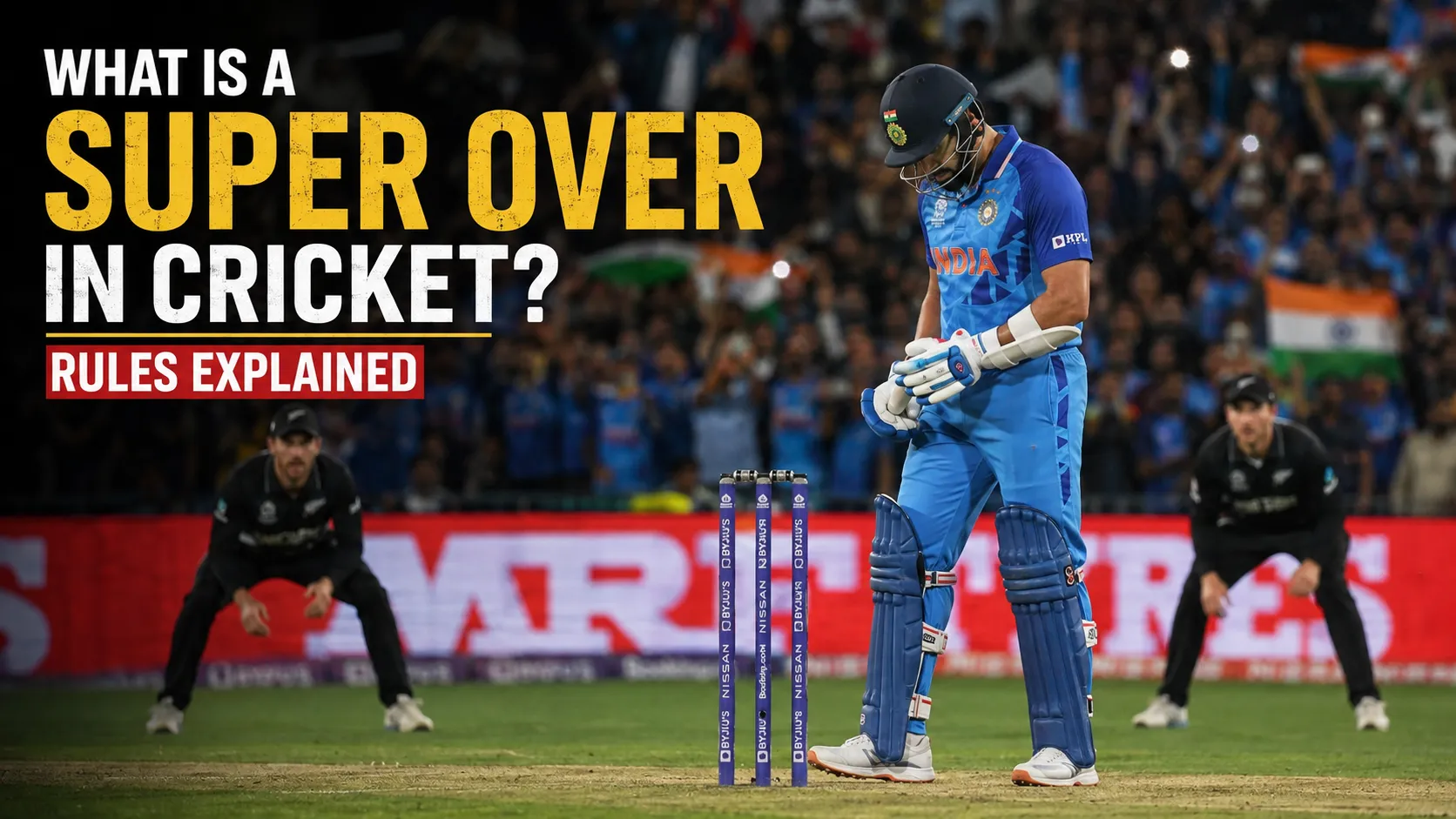
What is a Super Over in cricket?
A Super Over is a one-over eliminator used in limited-overs cricket to decide a winner when a match ends tied. It applies in T20 Internationals and in ODIs where a result is required, most often at the knockout stage of a tournament. Each side picks three batters and one bowler in advance, and the innings ends once six balls have been bowled or two batters are out, whichever comes first. The team that batted second in the main match bats first in the Super Over. If the Super Over itself ends tied, it's simply played again until one side scores more runs than the other.
Where the Super Over came from
Before the Super Over existed, tied limited-overs matches were settled by a bowl-out: each side's bowlers took turns aiming at an unguarded set of stumps, and whoever hit them more often won. It worked, technically, but it had almost nothing to do with the skills that actually decide a cricket match, and commentators complained about it for years before the ICC finally replaced it. The Super Over had its first official run in a T20 international between the West Indies and New Zealand on 26 December 2008, and it became a permanent part of the ICC's Standard T20I Playing Conditions from 1 October 2012.
The rule that changed after 2019
For years, if a Super Over itself ended in a tie, the winner was decided by boundary countback whichever team had hit more fours and sixes across the whole match, Super Over included, took the win. That rule collapsed under its own weight during the 2019 World Cup final. England and New Zealand finished level after fifty overs each, then level again after the Super Over, and England were handed the trophy purely because they'd hit one more boundary over the course of the day. The backlash was immediate and largely unanimous: a World Cup shouldn't come down to a stat nobody in the stadium was tracking in real time. The ICC scrapped the boundary countback rule not long after, and the current rule is simpler: a tied Super Over just gets replayed, again and again if it has to, until somebody actually wins.
Who can bat and bowl, and who can't
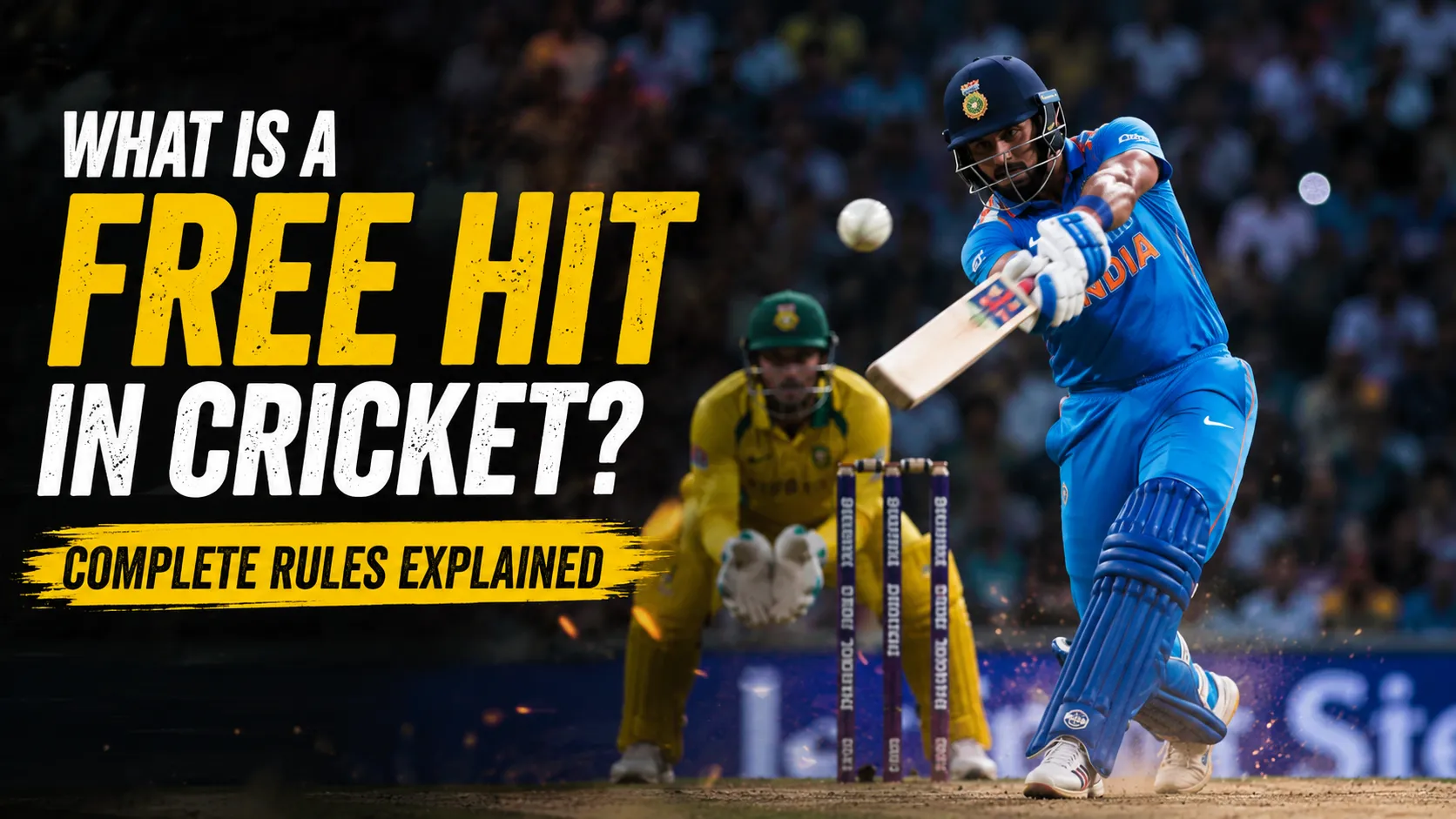
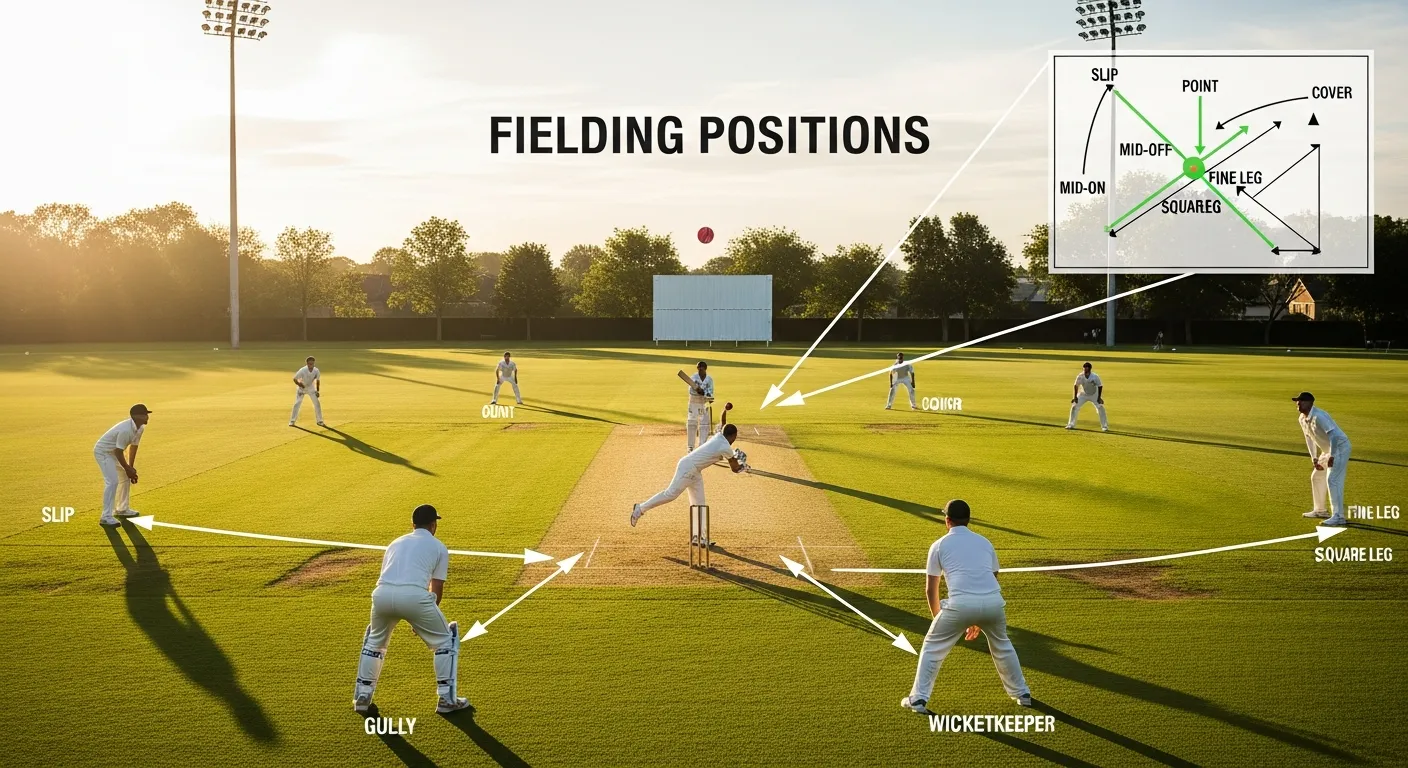
Once a batter is dismissed in a Super Over, they're done for the rest of that match they can't come back in a second or third Super Over if the game goes that far. The same restriction applies to bowlers in a slightly different way: whoever bowls one Super Over can't bowl the next one in a row, so a team needs at least two capable bowlers on hand if the tie drags on. Fielding restrictions mirror the death overs of a normal innings, which in practice means only five fielders are allowed outside the 30-yard circle. Wides, no-balls, byes and leg byes are all scored exactly as they would be in a regular over, and a no-ball still earns the batting side a free hit even inside the Super Over. None of the runs or wickets count toward anyone's career statistics a Super Over exists purely to produce a winner for that match.
A Super Over that actually needed a second one
Most Super Overs settle things in a single over, which is dramatic enough on its own. But the 2024 T20 World Cup group match between Namibia and Oman needed extra time even by Super Over standards, with Namibia eventually getting home. It's a useful reminder that the "played again until someone wins" rule isn't just theoretical ties inside the tiebreaker do happen, and the current system is built to handle exactly that.
Frequently asked questions
How many batters does each team get in a Super Over? Three batters and one bowler are nominated in advance. The innings ends after six balls or two wickets, whichever comes first.
What happens if the Super Over is also tied? It's replayed until one team scores more runs than the other. This replaced the old boundary countback rule after the 2019 World Cup final.
Can a batter who got out in one Super Over bat again in a second one? No. Once dismissed in a Super Over, a batter is unavailable for any further Super Overs in that match.
Do Super Over runs and wickets count toward a player's career stats? No. Super Over performances are not included in official career batting or bowling statistics.